A person
A skill, talent or ambition that could become an opportunity to earn.
Grades 6–12 · solo or team
Apply to compete
Harvard students mentored
The World’s First Global Livelihood Challenge
for Students in Grades 6 to 12.
Build a way for someone to earn a living.
A ten-week global challenge where you find a real person, skill or idea, understand what they need, and build something that creates an opportunity to earn.
Begins 5 Dec 2026 · Live finale in week 10

Don’t just solve a problem. Build an opportunity.
MENTORED BY HARVARD STUDENTS VIA HPAIR
8 Live Saturday Masterclasses · Semi-Final & Grand Finale · USD 500 in Cash Awards & Scholarships for All Entrants
What every entrant receives
Built through a real-world project. Recognised for what you create.
Mentored by Harvard students
8 Live Masterclasses (7 for All Participants + 1 for Top 10 Finalists) · Semi-Final & Grand Finale · USD 500 in Cash Awards
Every tier keeps what came before it.
What is the Creating Livelihoods Challenge 2026?
The Creating Livelihoods Challenge 2026 is a ten-week competition for students in Grades 6 to 12. Most student impact projects begin with a problem. This challenge asks you to go one step further:
Can you build something that helps someone earn?
Find a person or community with a skill, talent, product or potential.
Understand what is stopping them.
Build something that helps them find work, reach customers, sell, offer a service or start earning.
Your idea doesn’t have to change the world. It has to change someone’s possibilities.
Seven live masterclasses guide every participant. The top 10 are selected before the semi-final, then attend an eighth live masterclass between the semi-final and grand finale.
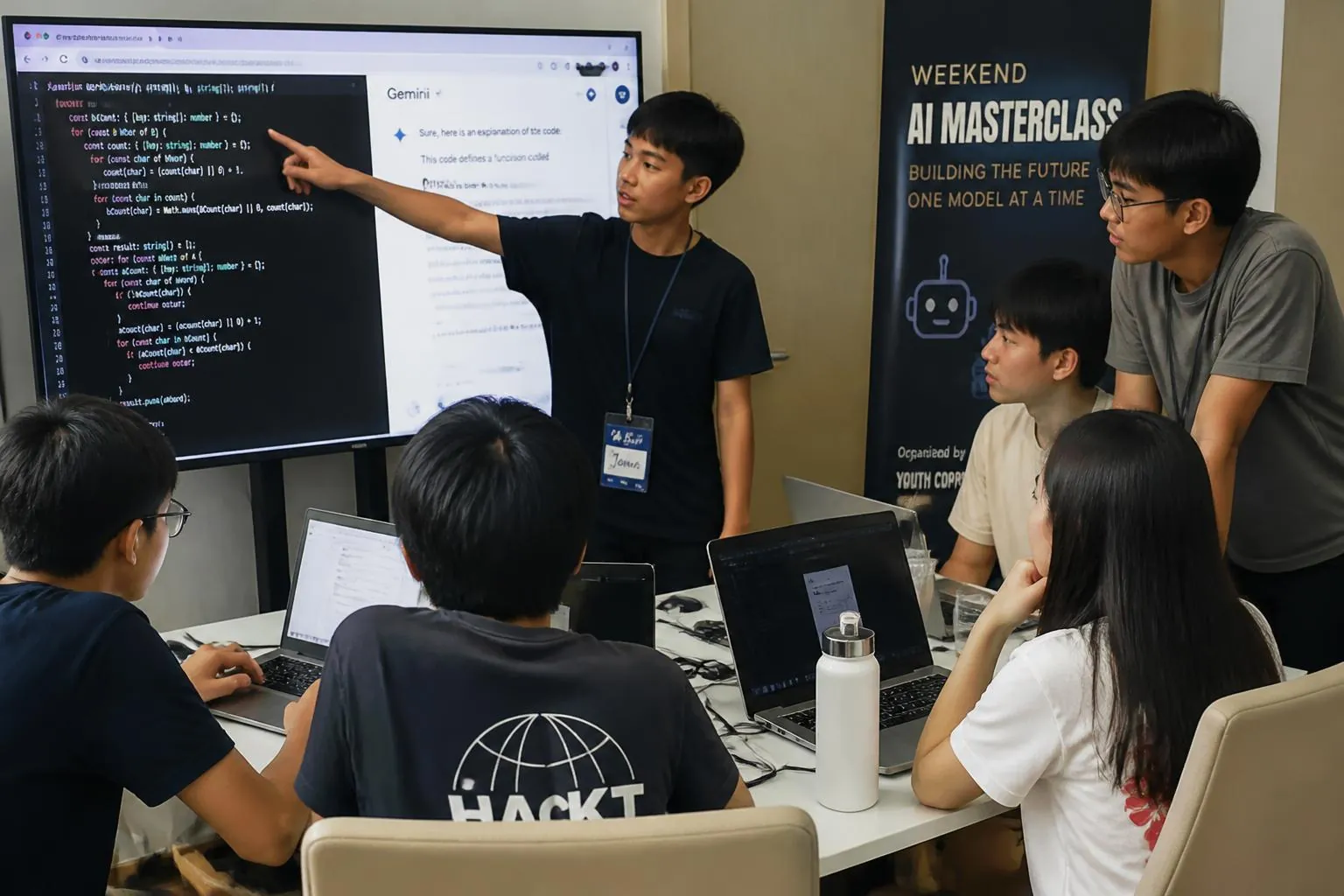
Start in the real world
Your project can take many forms. Start with what a real person or community needs. Build something useful. Then show what changed.
A skill, talent or ambition that could become an opportunity to earn.
A product, service or business that could reach more customers or create more work.
A challenge that, when solved, could help people access work, skills or income.
A local need where a solution could open up opportunities for people within it.
Not sure where to start? Ask anyone you see every day: “What’s the hardest part of your work right now?”
What will I do?
The Creating Livelihoods Challenge 2026 is one guided real-world journey. Document, measure, reflect and pitch what happened, including what did not work.
Start with a person, business, organisation or community you can genuinely engage with. Observe first, separate assumptions from evidence, and resist arriving with the answer already decided.
Understand the people, systems, constraints and existing resources around the need. Design with people, not simply for them, and choose a useful intervention that fits the context.
Implement a manageable intervention. Keep a contemporaneous evidence log of conversations, drafts, feedback, changes and what actually happened when the work met the real world.
Distinguish activities from outcomes, explain limitations and show what changed your thinking. The top 10 defend the journey and evidence live in the semi-final and grand finale.
Scale is not required. A focused intervention that meaningfully helps one person can be a successful project when the engagement, action and evidence are genuine.
How does the Creating Livelihoods Challenge 2026 work?
Over ten weeks, you’ll learn, build, test and refine your idea with guidance from mentors and then present what you built and what you learned.
Step 1 · Weeks 1–7
All participants identify, listen, design, act, document, measure, reflect and prepare their impact story.
Step 2 · Selection
The top 10 are selected before the semi-final, with solo and team entries considered together.
Step 3 · Week 8
The top 10 present for three minutes and answer two minutes of questions.
Step 4 · Week 9
Only the top 10 attend this extra live session between the semi-final and grand finale.
Step 5 · Week 10
The same top 10 present for five minutes and answer five minutes of questions.
What will I learn?
Every participant completes the first seven live masterclasses. After the top 10 are selected, they attend the semi-final and then an eighth live masterclass exclusively for them before the grand finale.
Full curriculum · one Impact Challenge entry
Move through the complete journey, then select any week to see exactly what you learn, make and submit.
Week 01 · Identify
What real person, business, or community problem is worth understanding?
Identify a specific, meaningful and actionable real-world need without beginning with a predetermined solution. The focus is observation, curiosity and problem discovery.
What you learn
Guiding questions
Workshop
Explore people, businesses, organisations or community contexts you can realistically engage with, then narrow the possibilities before proposing a solution.
You finish with
Impact Challenge curriculum
Each masterclass moves one real-world project from careful listening to action, evidence, reflection and a live pitch.
Weeks 1–2
Identify · Listen
Weeks 3–4
Design · Act
Weeks 5–6
Document · Measure
Week 7
Reflect · Pitch
Weeks 1–2
What real person, business, or community problem is worth understanding?
Identify a specific, meaningful and actionable real-world need without beginning with a predetermined solution. The focus is observation, curiosity and problem discovery.
You finish with · Impact Opportunity Brief
Weeks 3–4
Weeks 5–6
Week 7
Week 8 · Semi-final
Top 10 present
Selected before the semi-final, the top 10 give a three-minute pitch, then answer two minutes of questions.
Week 9 · Finalist masterclass
Eighth live masterclass · Top 10 only
The same top 10 attend this extra live session with mentors between the semi-final and grand finale.
Week 10 · Live final
The same top 10 reach the grand finale
Five-minute pitch, followed by five minutes of questions.
What do I submit, and how am I judged?
Five core components show who you worked with, what you did, what changed, what failed and what you learned.
The five core submission components
What a strong project must show
It begins with listening
The need comes from engagement with a real person or community, not a predetermined solution.
It reaches action
You implement something useful in the real world. A focused intervention that helps one person can be meaningful.
It is documented
Photos, notes, drafts, feedback and artefacts are collected throughout the journey, with consent where required.
Its claims are honest
You distinguish activity, output and outcome, acknowledge limitations and never claim more change than the evidence supports.
Who judges, and when
Registration fee
Every option includes the complete ten weeks. The price changes by entry type, not by the experience you receive.
Individual entry
$60$90
Early bird, per participant
What the fee covers
Standard entry is USD 90 per participant and early bird entry is USD 60. Either way it covers seven live masterclasses and mentor office hours. The top 10 also attend the week eight semi-final, an eighth live masterclass exclusively for them in week nine, and the week ten grand finale. After you submit the application you are taken to the payment page to complete your entry.
Students register individually.
Participate solo or form a team of up to 5 members.
What will I receive?
Every entrant leaves with recognition, while the strongest impact projects earn larger scholarships and cash awards at the final.
USD 500
Total awards for the top three finalists
Top 3
Full scholarship
Top 20
30% scholarship
All others
15% scholarship
Awards and full scholarship
A total of USD 500 is awarded to the top three finalists. Each also receives a full scholarship for any Learn With Leaders online programme.
Continued learning
Creating Livelihoods Challenge 2026 winners receive free access to Learn With Leaders masterclasses for the following six months.
Certification and scholarships
Every entrant receives a certificate of participation. The top twenty receive a 30% Learn With Leaders scholarship, and all other entrants receive 15%.
Mentors and judges
Participants work alongside active Harvard undergraduates, researchers and campus leaders through HPAIR. Nobody scores a project they mentored.
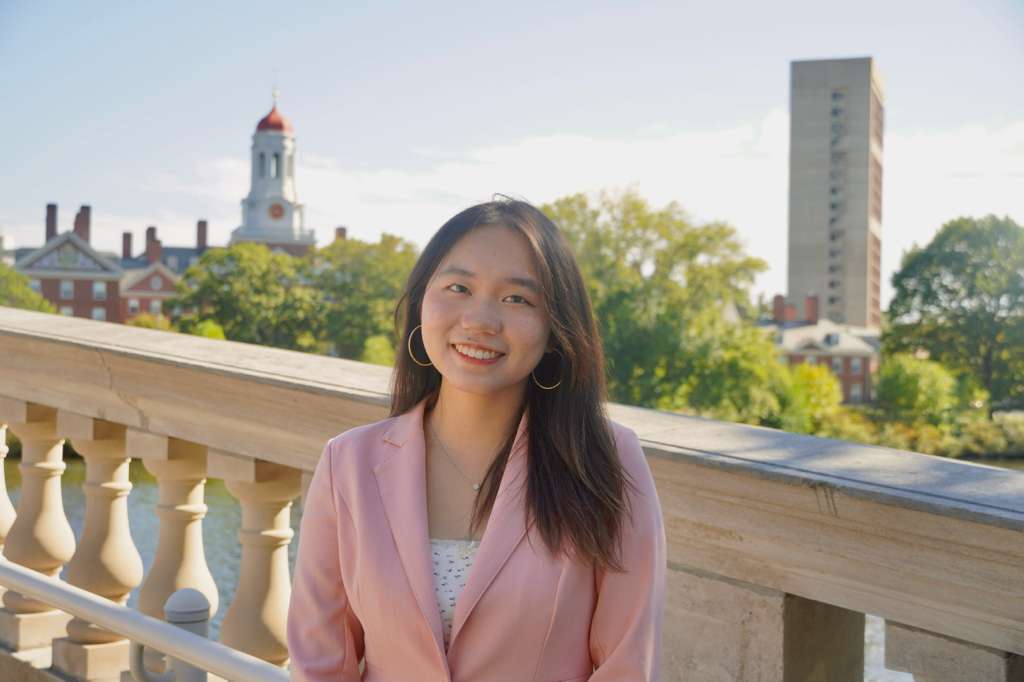
Harvard undergraduate
Economics & Statistics · Computer Science
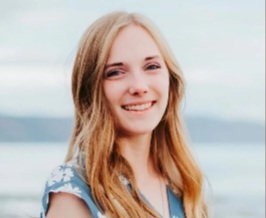
Sophomore at Harvard College studying Economics and Statistics. From San Francisco, she loves travelling, trying out different foods, and making new friends.
Harvard undergraduate
East Asian Studies & Government · Education
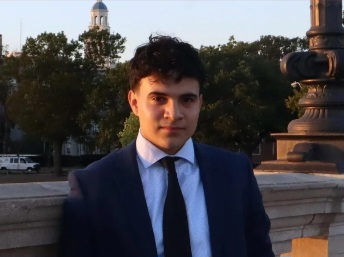
First-year at Harvard College. Former State President of the California Association of Student Councils, and involved with Harvard Consulting in Business and Environment.
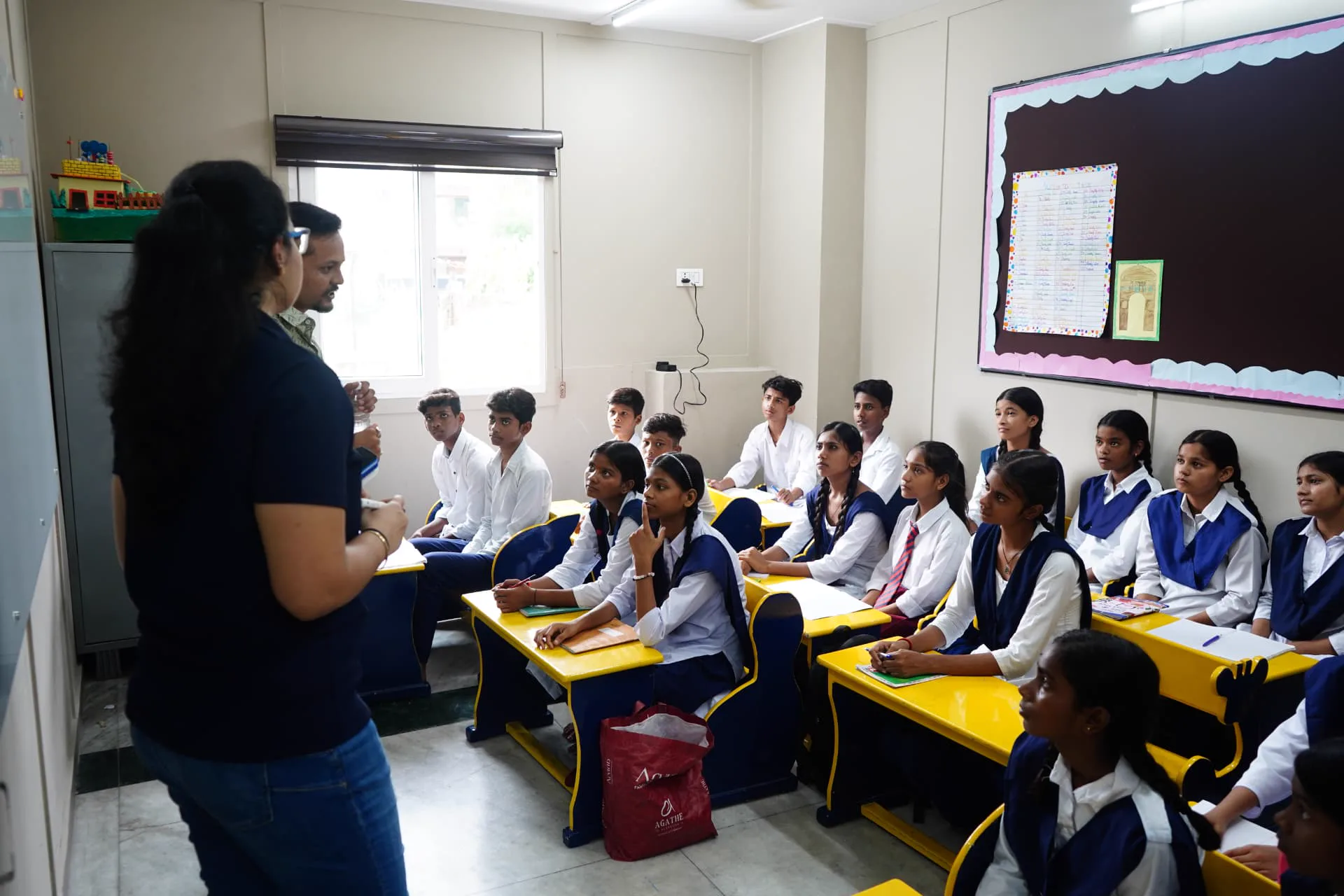
Learning in action
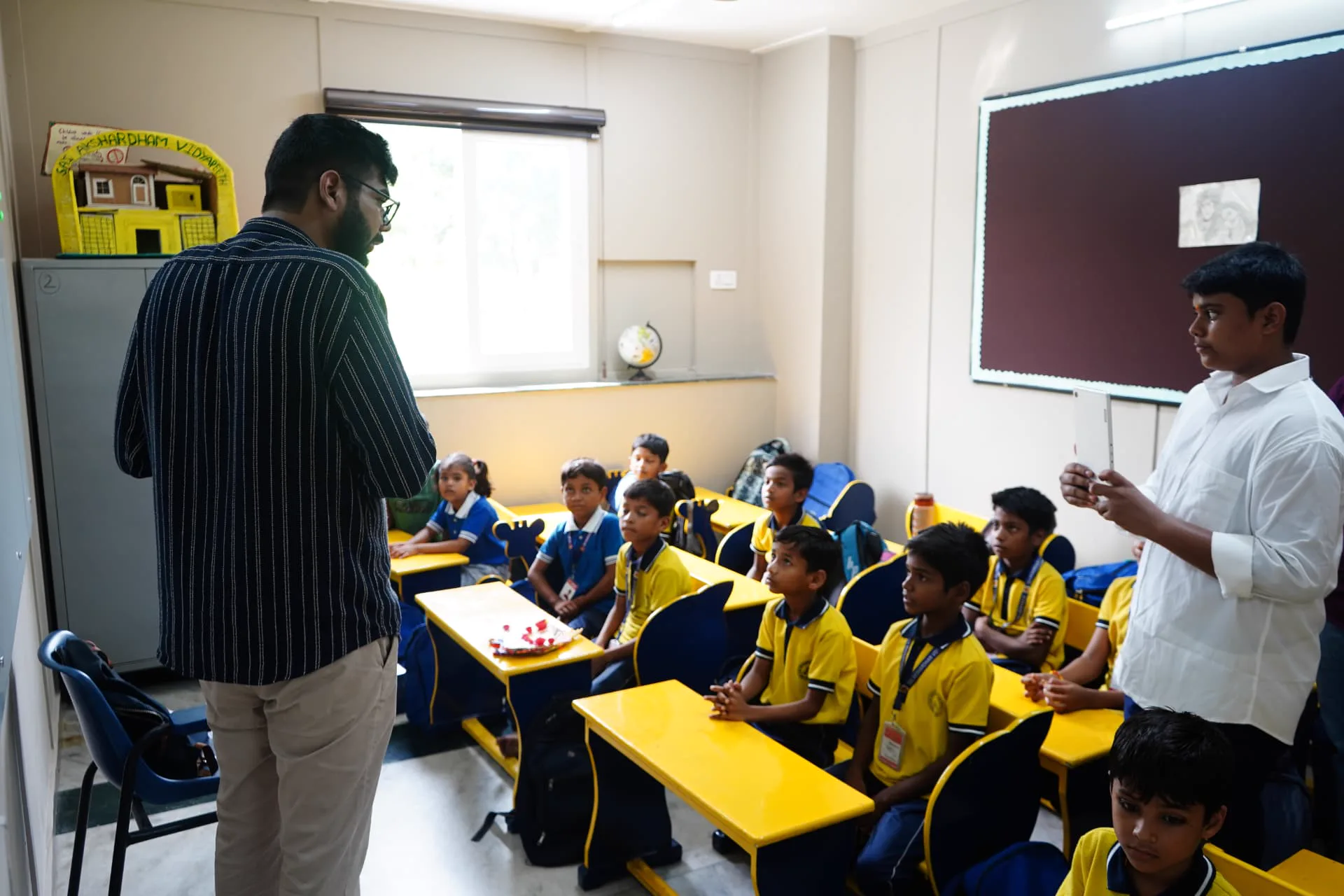
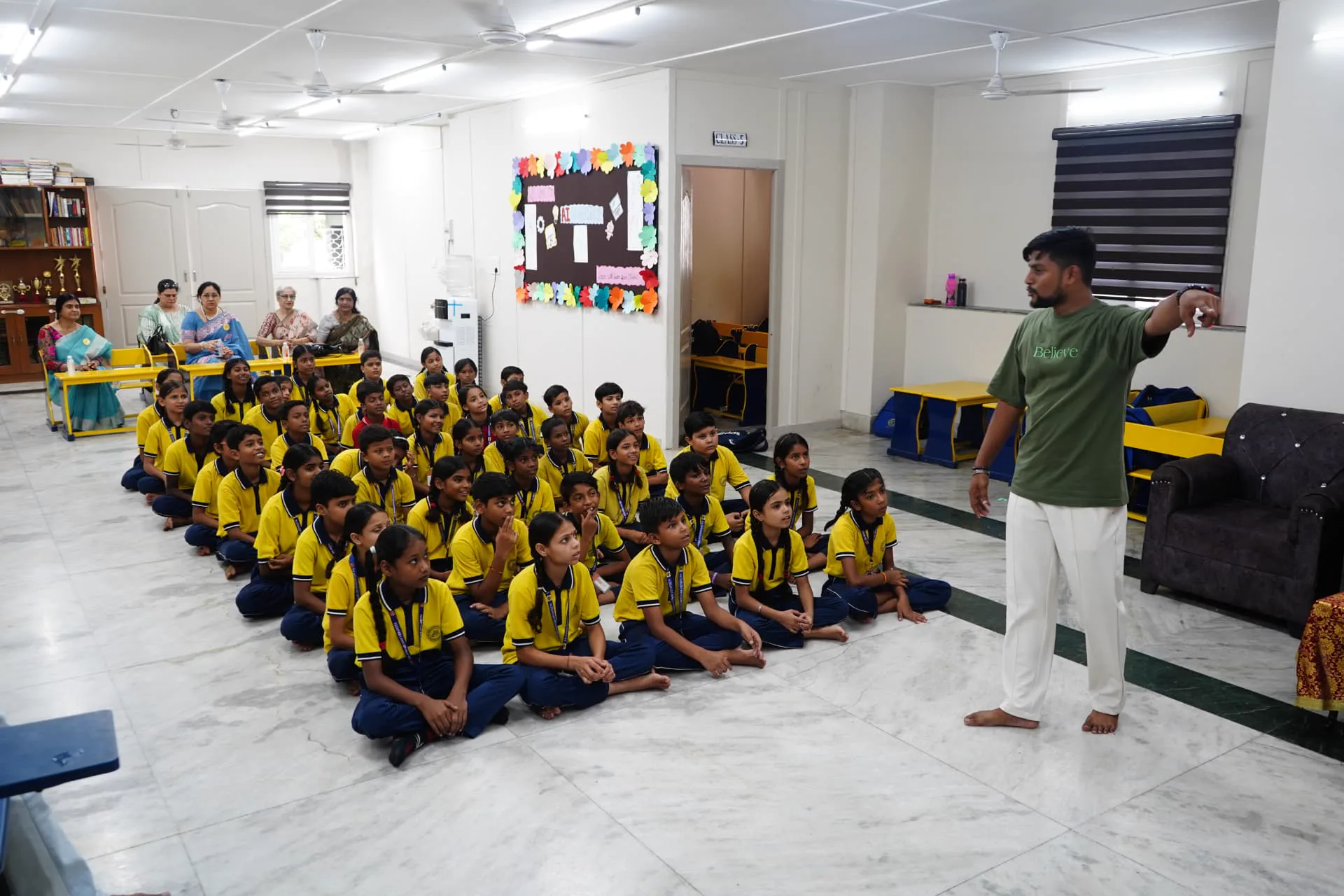
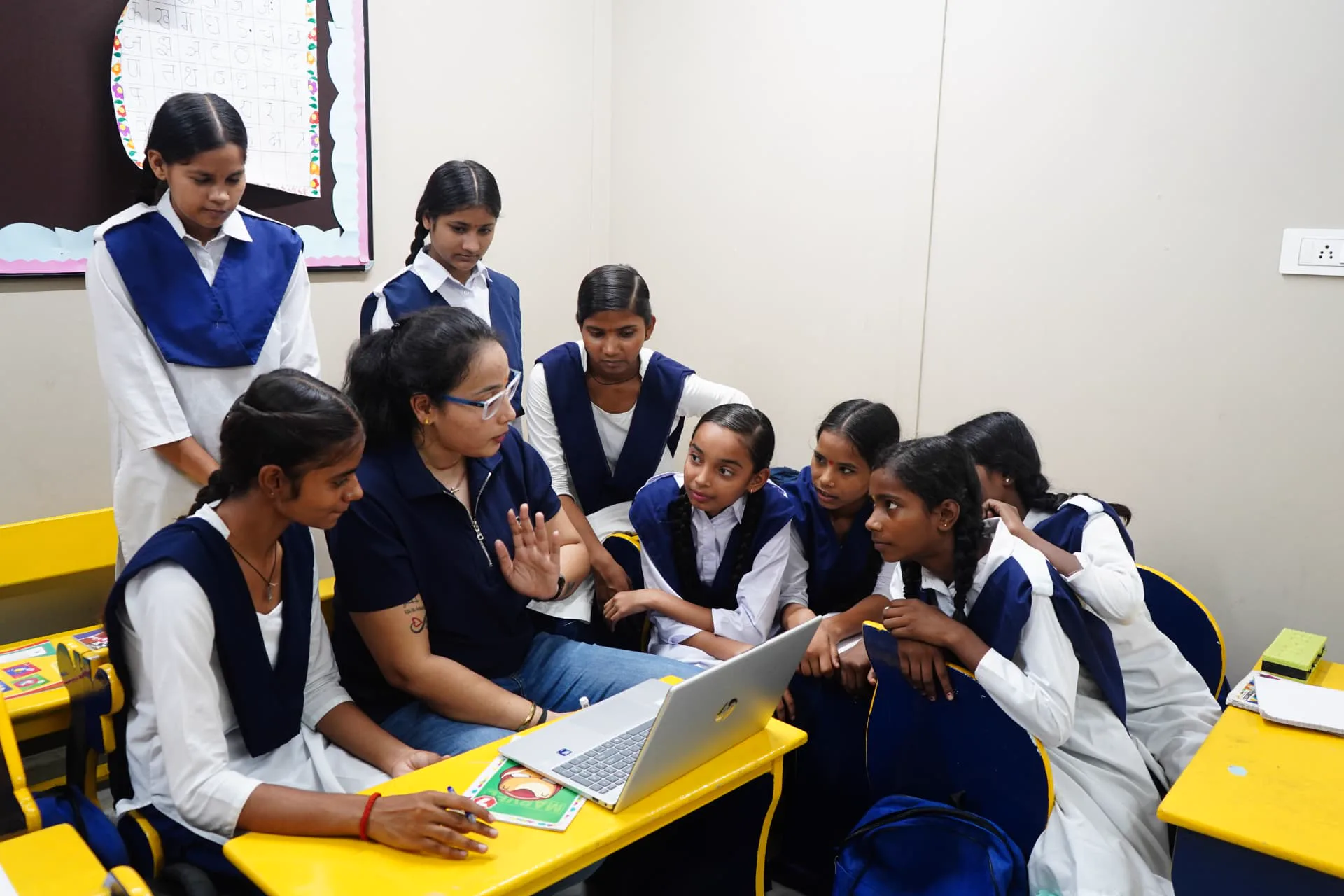
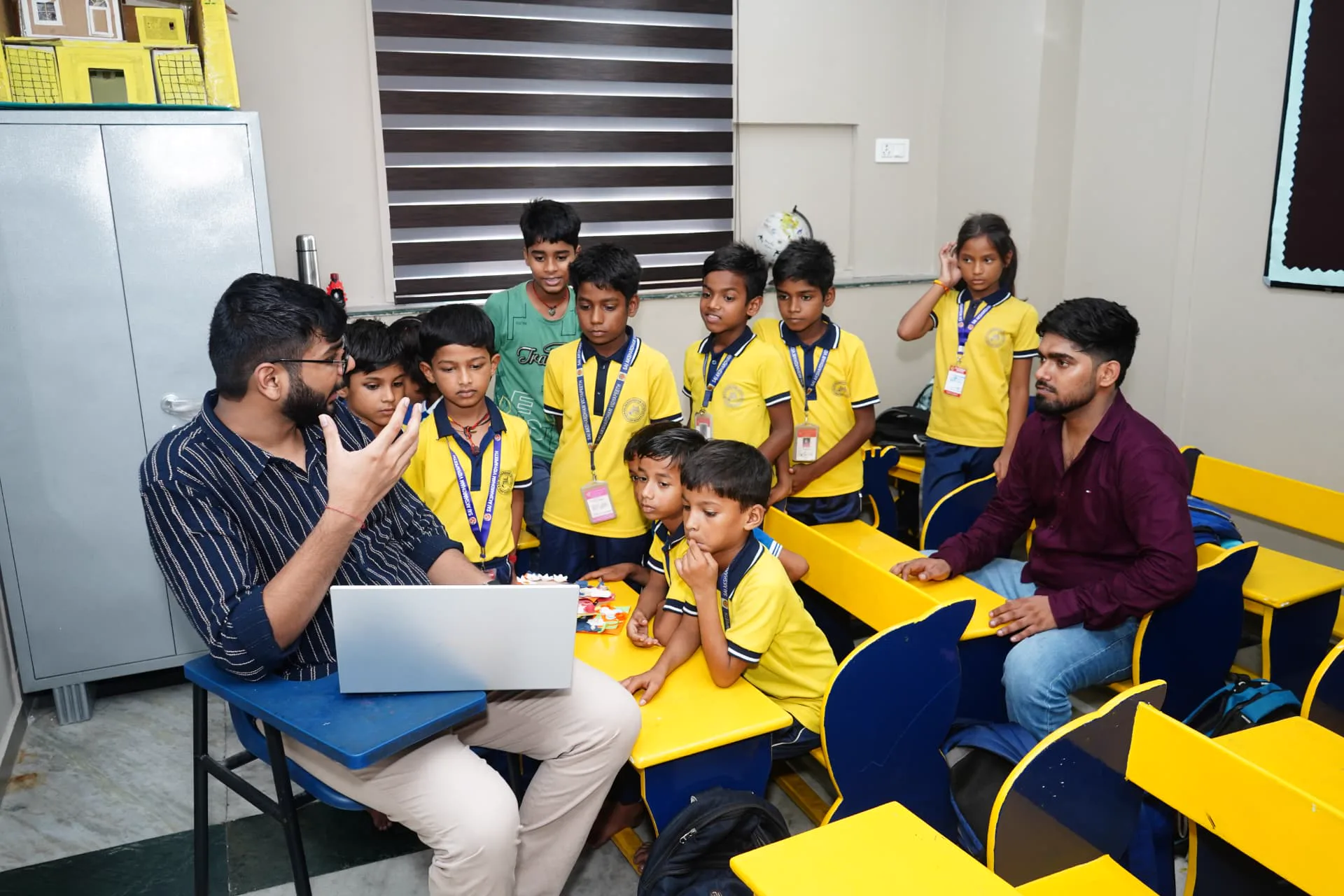
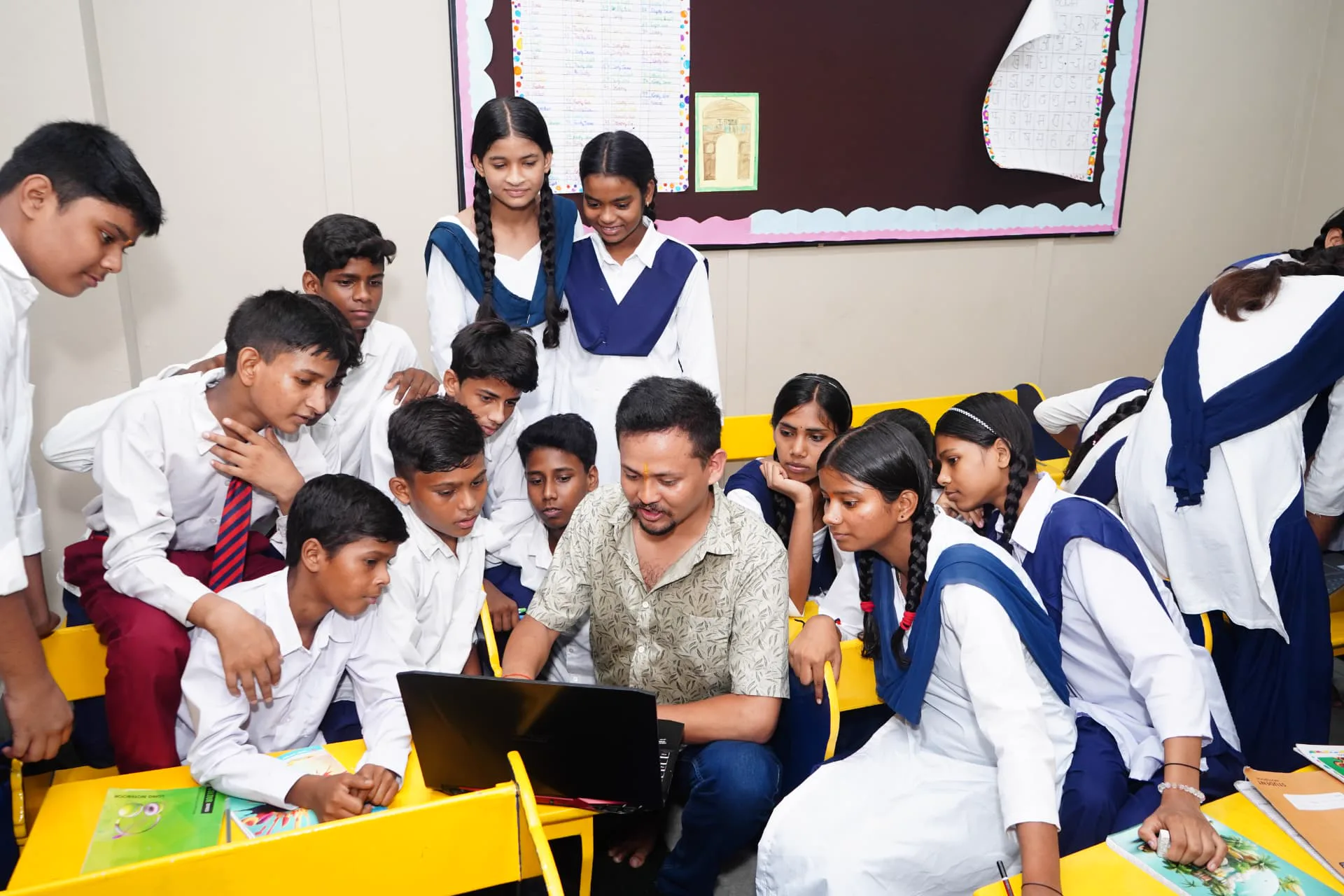
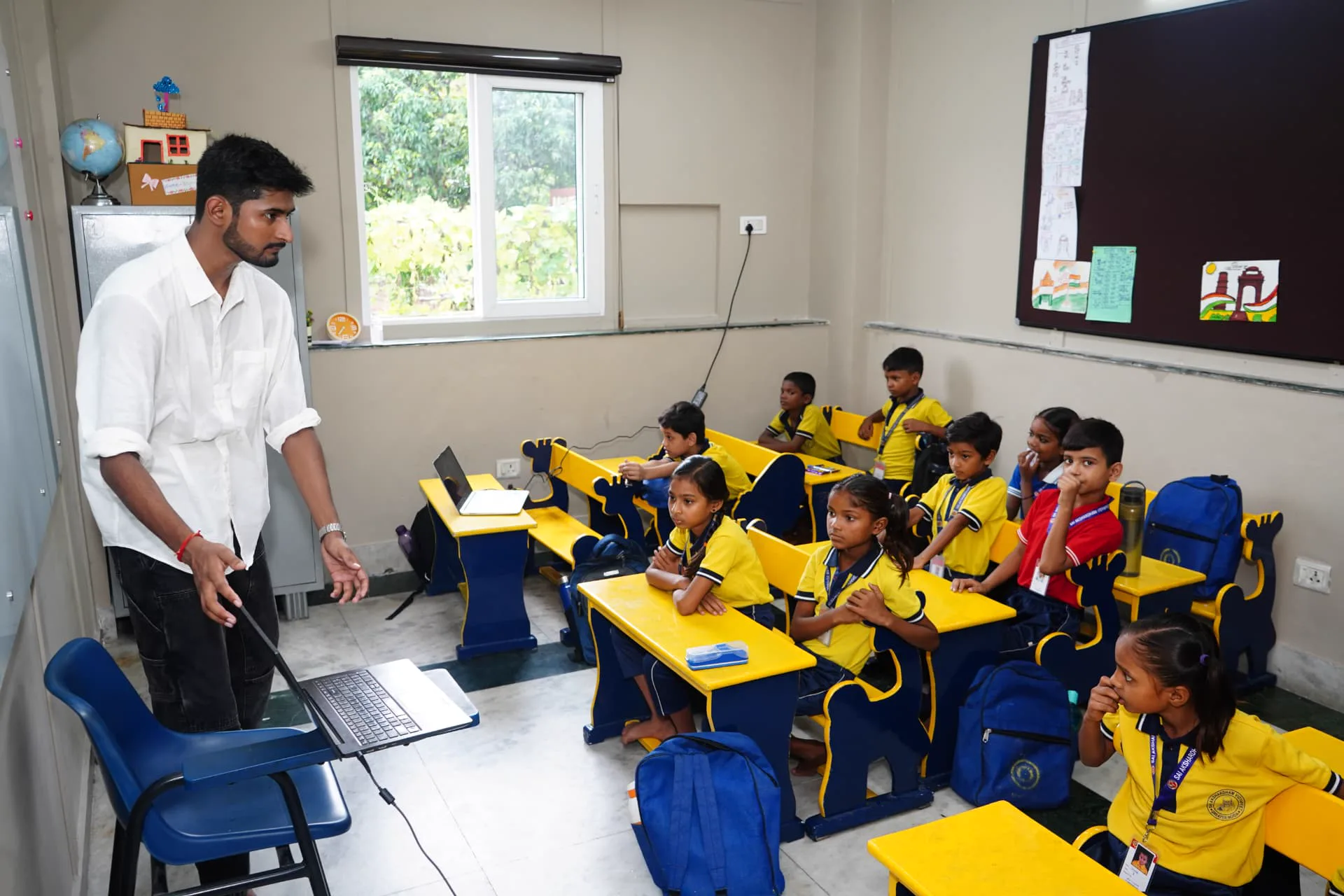
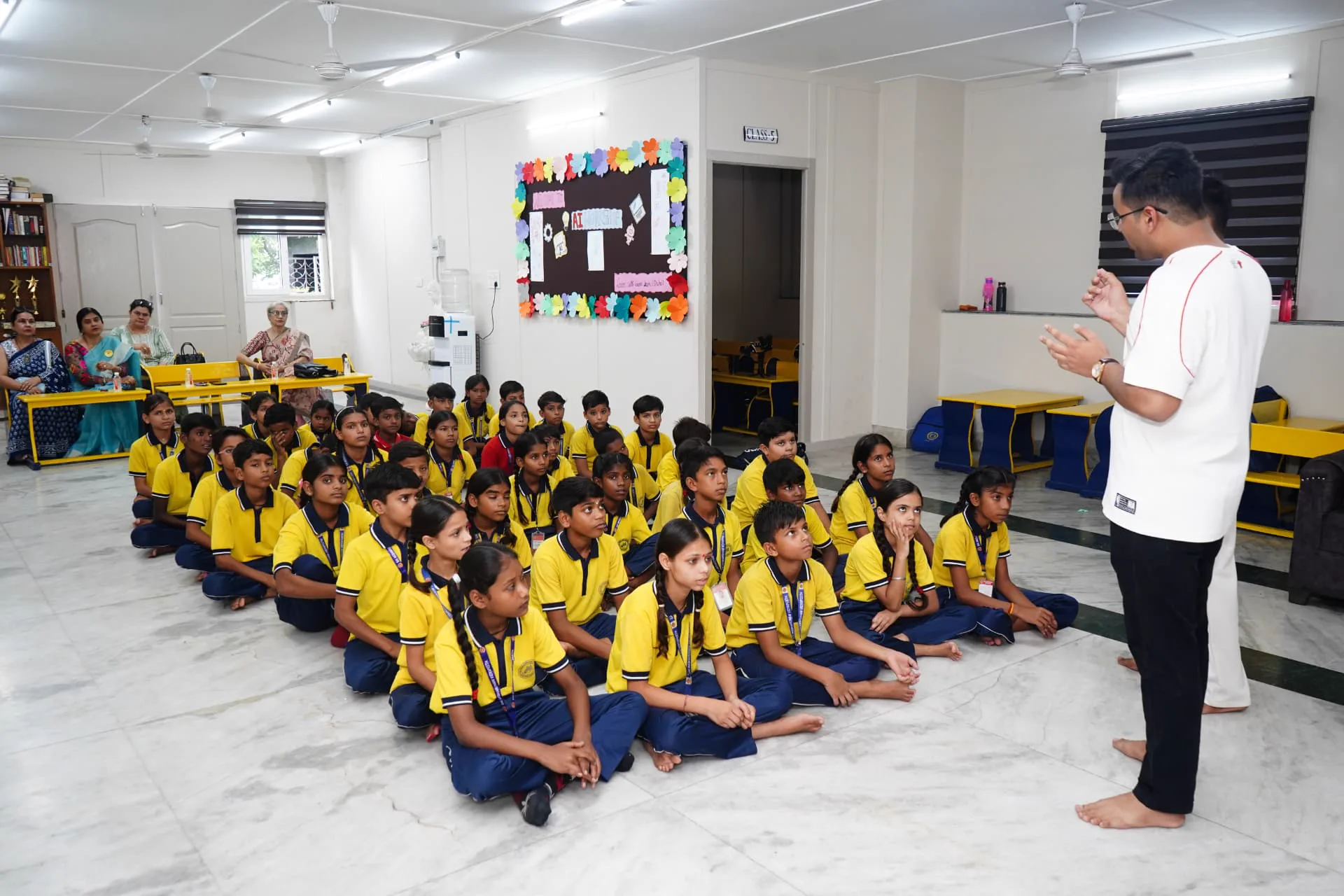
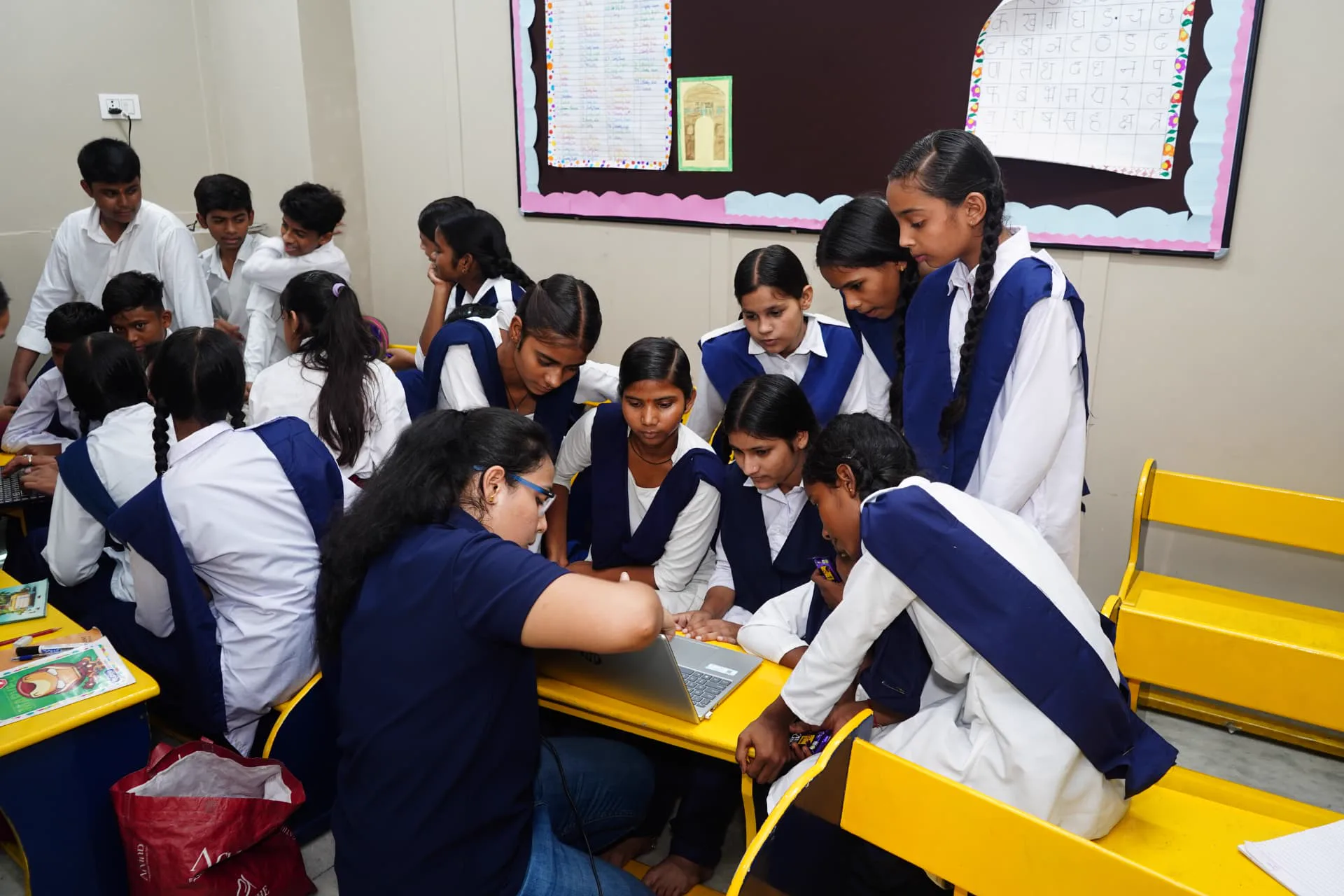
The Creating Livelihoods Challenge 2026 is practical by design: students listen, design, implement and improve their work with the people it is meant to help.
Honest answers
Students in Grades 6 to 12 may enter. You can apply alone or as part of a team.
Choose a real need affecting a person, business, organisation or community you can genuinely engage with. Listen, implement something useful and document what changed.
Start with the people you see every day: your building’s security guard, a delivery rider, your family’s house help, an auto or cab driver, the vegetable vendor, a local tailor or shopkeeper, your school’s canteen staff or cleaners, an elderly neighbour, or a small NGO near you. Ask one simple question: “What’s the hardest part of your day or work right now?” Most needs show up once you start asking. If you’re still unsure, the first masterclass and mentor office hours will help you find and narrow down the right person, so you won’t be left stuck.
Yes. You can enter solo or with a team. Each participant completes an application and the entry fee is charged per participant.
Your team must own the work it submits and explain every important decision. AI may support research and preparation, but it cannot replace original thinking, real engagement with a person or community, or honest evidence.
Judges score need definition 15%, community engagement and empathy 20%, intervention quality 15%, execution 15%, evidence of impact 20%, learning and iteration 10%, and pitch 5%.
Early-bird entry is USD 60 per participant. Regular entry is USD 90 per participant. Both include the complete competition experience.
All participants attend seven live Saturday masterclasses. The top 10 are then selected before the semi-final. Between the semi-final and grand finale, those same top 10 attend an eighth live masterclass that is exclusively for them.
The semi-final and grand finale are held live online. Joining details are shared with eligible teams before each round.
Creating Livelihoods Challenge 2026
Starts 5 December 2026 · Saturdays, 11:00 AM to 12:00 PM EST · Grades 6–12 · solo or team.